
Pilots

INNO-TREC Pilots – Testing Innovation Across Europe

Home » Pilots
BACKGROUND

The Challenge of Renewable Energy Communities

Renewable Energy Communities (RECs) are central to Europe’s ambition for a cleaner, more democratic energy system — enabling citizens and organizations to generate and share renewable energy locally. Despite their potential, significant barriers hold them back.
INNOTREC

Demos

DEMO1: Energy Poverty in Rural PV-based Communities

Location: Chaves, Portugal
Challenge: Seasonal population shifts and energy poverty in rural PV-based communities

Goals:

  • Consolidate the setup of three RECs across three villages
  • Support vulnerable residents through PV generation and social tariffs
  • Validate the energy credits platform

Features:

  • Different PV system topologies for early-stage communities
  • Integration of energy credits with local social structures
  • Model for rural energy sustainability

KPIs:

  • Costs: –40%
  • User comfort: +40%
  • Self-consumption: +45%
  • CO₂ emissions: –35%

DEMO2: Social Benefits for Mountainous PV-based Communities

Location: Vlasti, Greece
Challenge: Empowering non-energy-literate members and promoting energy autonomy

Goals:

  • Lower energy costs for residents, focusing on vulnerable groups
  • Identify next steps for REC upscale

Features:

  • Integration of PV, storage, and electromobility
  • Business models tailored for elderly and stock breeders
  • Focus on energy literacy and community empowerment

KPIs:

  • Costs: –30%
  • Comfort: +20%
  • Self-consumption: +30%
  • User engagement: +40%

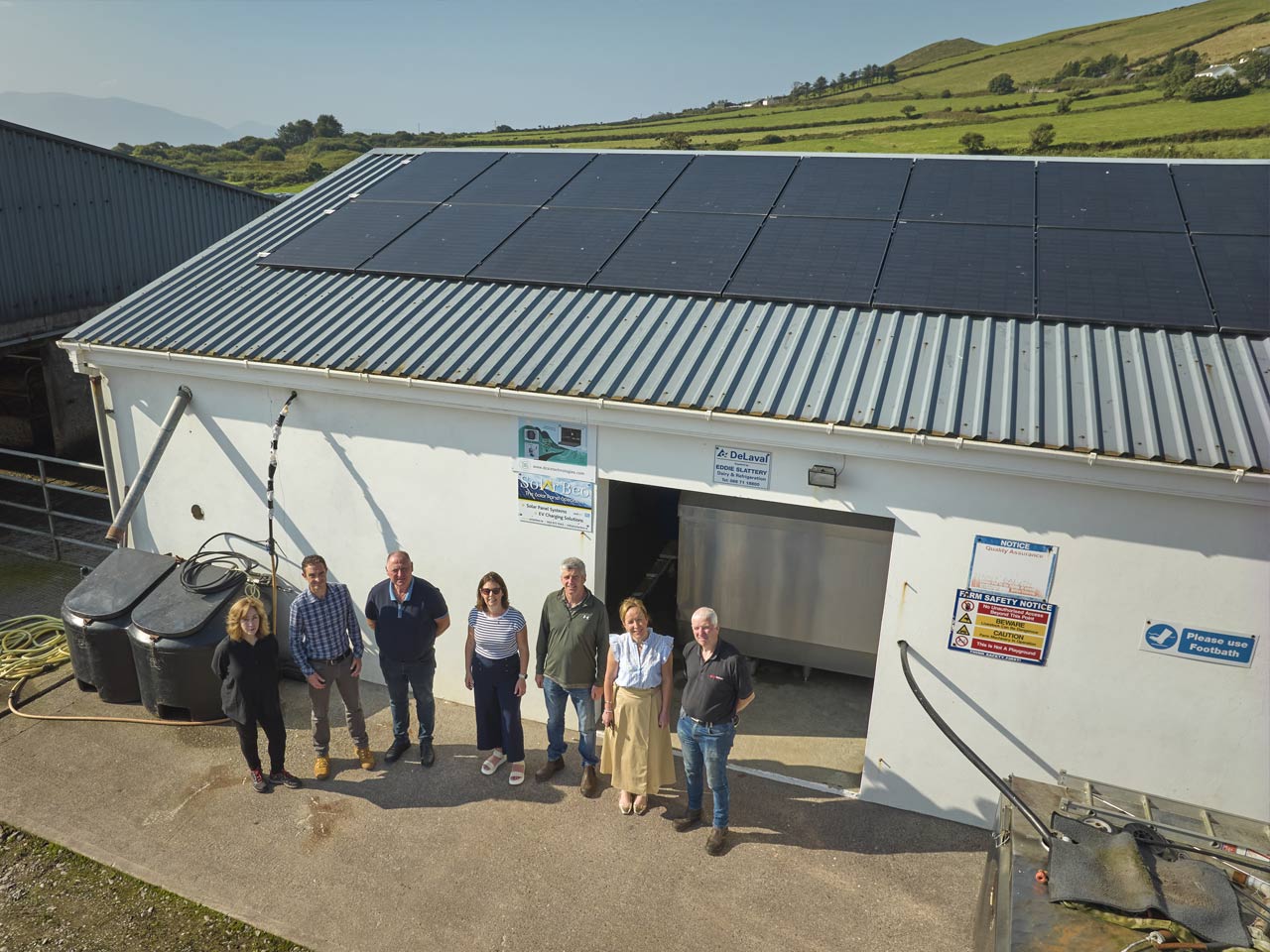
DEMO3: Energy Efficiency in Agricultural PV-based Communities

Location: Dingle, Ireland
Challenge: Social and technical engagement for REC planning and flexibility

Goals:

  • Explore community-led PV under Irish Renewable Support Scheme
  • Test distributed loads for grid resilience

Features:

  • Community-centric approach with PV, heat pumps, batteries
  • Secure data-sharing platform for transparency and privacy
  • Flexible energy management strategies

KPIs:

  • Costs: –25%
  • Self-consumption: +30%
  • User engagement: +30%
  • Grid support: +50%

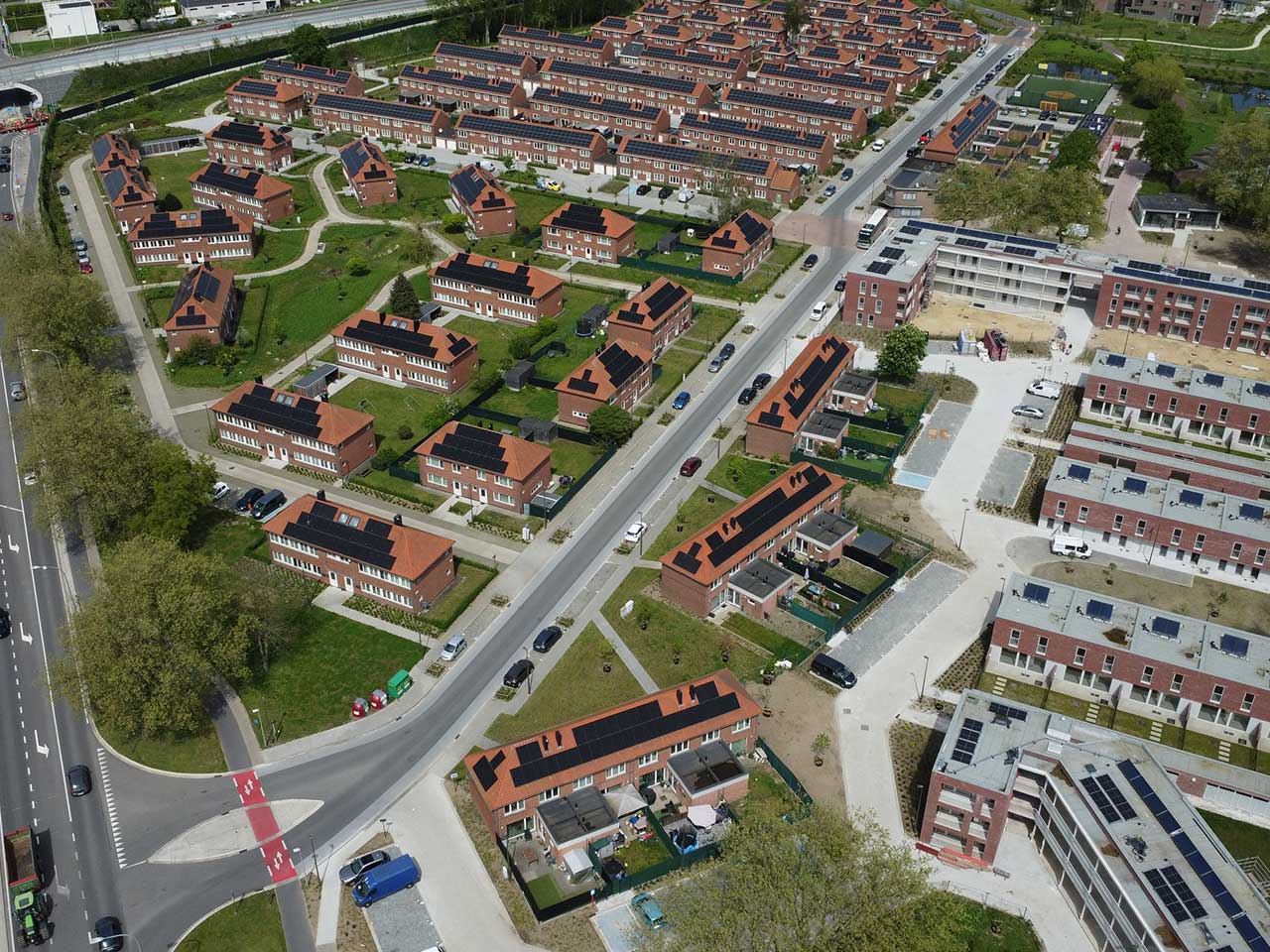
DEMO4: PV Energy Sharing Profitability in Cooperative Communities

Location: Mechelen, Belgium
Challenge: Profitability of PV energy sharing under regulatory constraints

Goals:

  • Increase benefits for social tenants
  • Optimise PV sharing using energy credits

Features:

  • Energy credits platform in social housing
  • Integration of technical, financial, and legal aspects
  • Focus on energy poverty reduction

KPIs:

  • Costs: –35%
  • Comfort: +30%
  • Engagement: +20%
  • Grid support: +15%

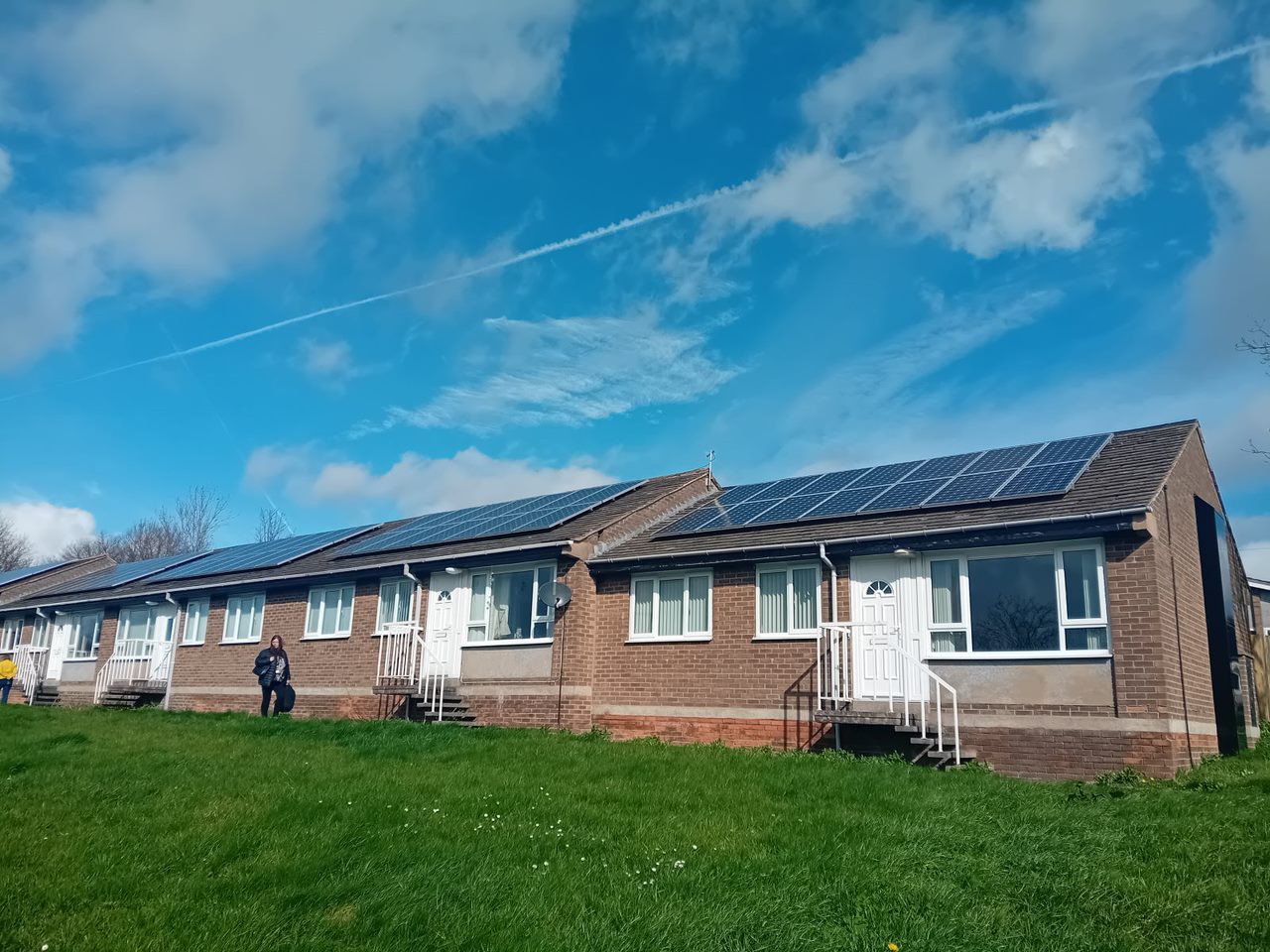
DEMO5: Low Carbon Transition Coal-to-PV in Social Housing Communities

Location: Barnsley, UK
Challenge: Lack of regulatory framework for virtual energy assets

Goals:

  • Reduce energy costs for residents
  • Enhance comfort for vulnerable groups

Features:

  • High penetration of battery storage and heat pumps
  • Demand flexibility services and dynamic tariffs
  • Social rewards for user engagement

KPIs:

  • Costs: –30%
  • Comfort: +40%
  • Self-consumption: +35%
  • CO₂ emissions: –30%

DEMO6: PV Systems with Storage in Academic Communities

Location: Torino, Italy
Challenge: Maximising REC self-sufficiency and predictive maintenance

Goals:

  • Increase energy efficiency and flexibility
  • Explore fault prediction and maintenance strategies

Features:

  • Centralised and private battery storage control
  • Advanced allocation strategies and power quality monitoring
  • High-accuracy measurement systems

KPIs:

  • Self-consumption: +35%
  • Engagement: +30%
  • Self-sufficiency: +35%

Grid Layout:
Each DEMO card includes:

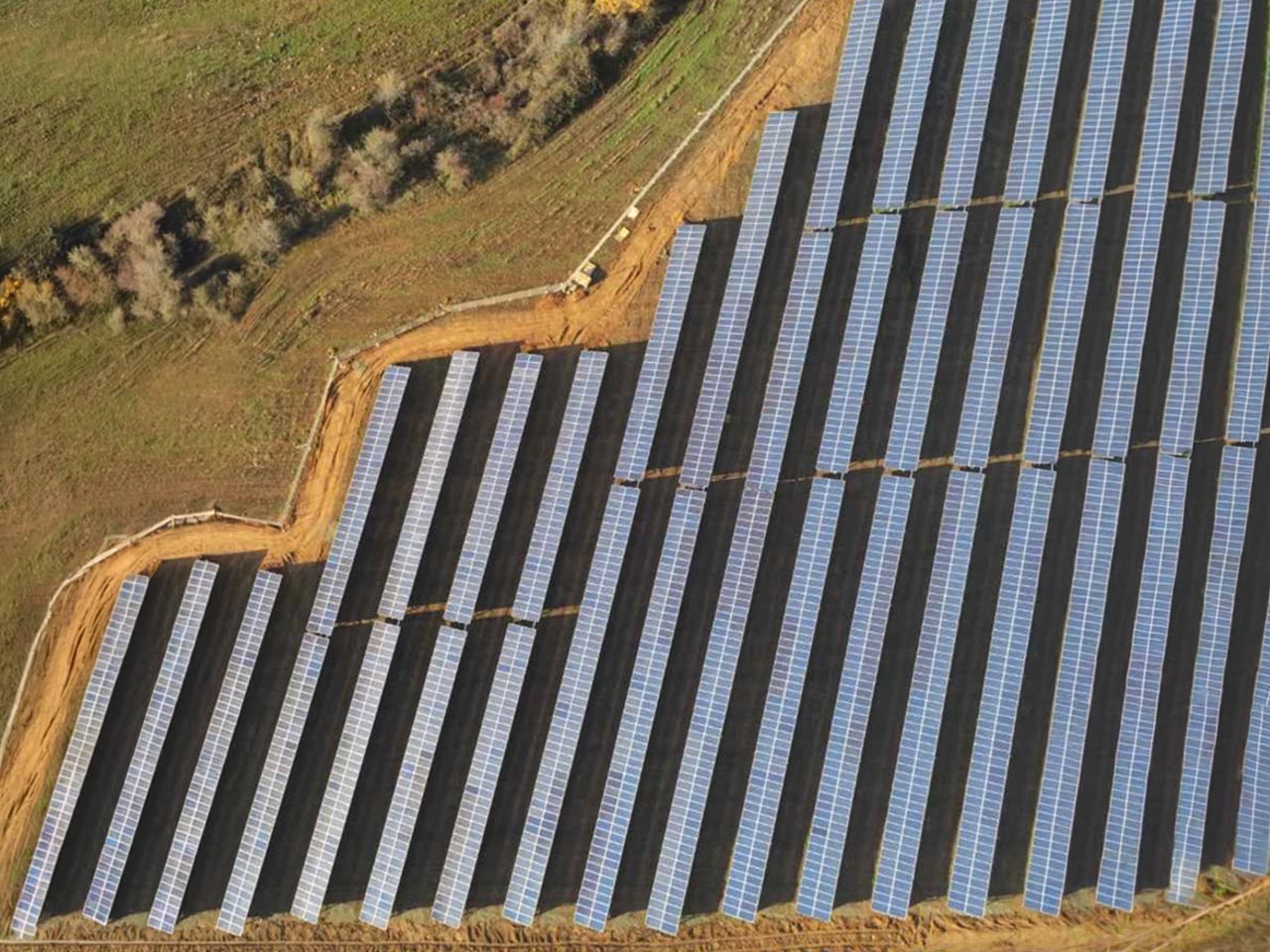
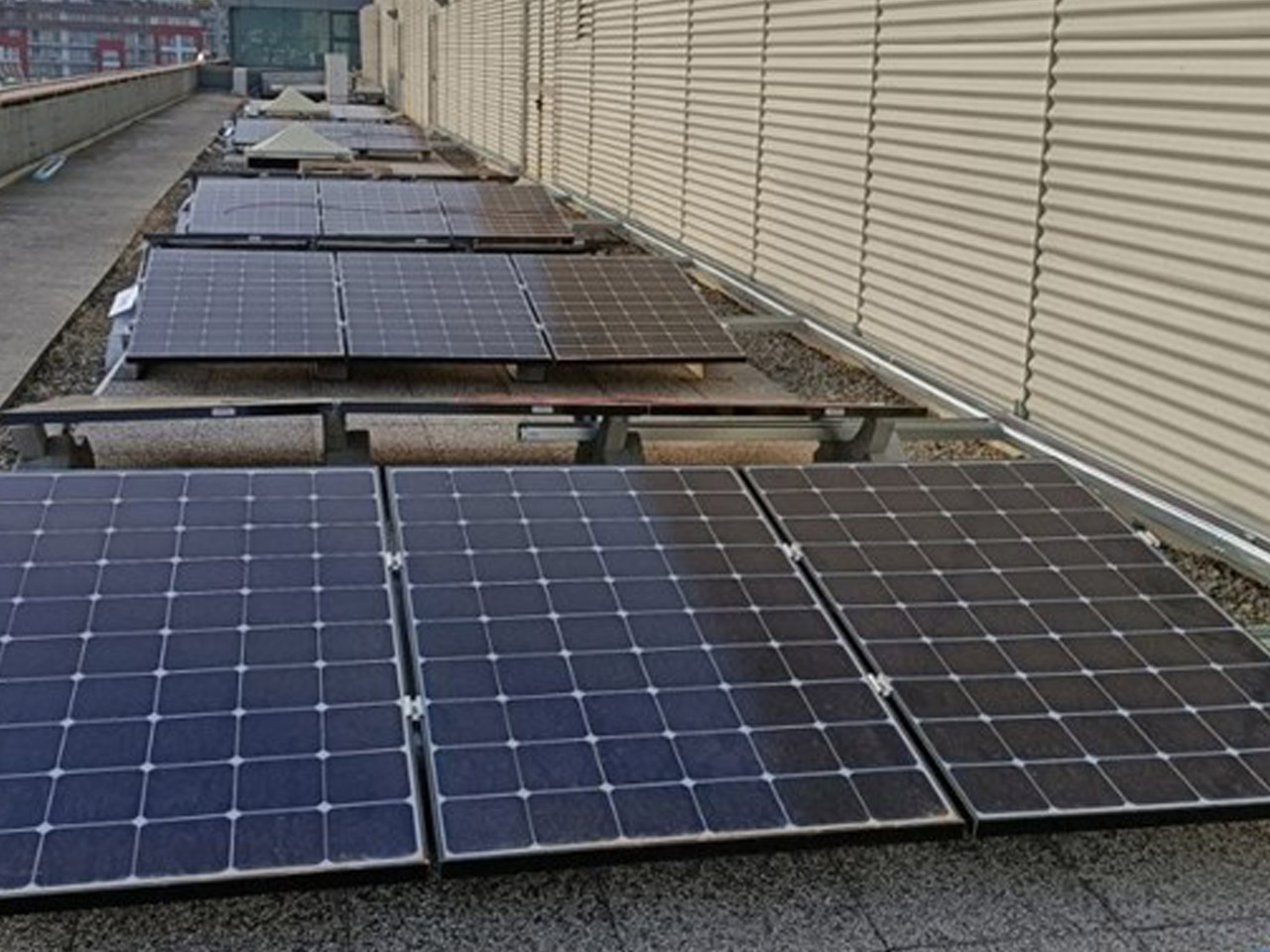
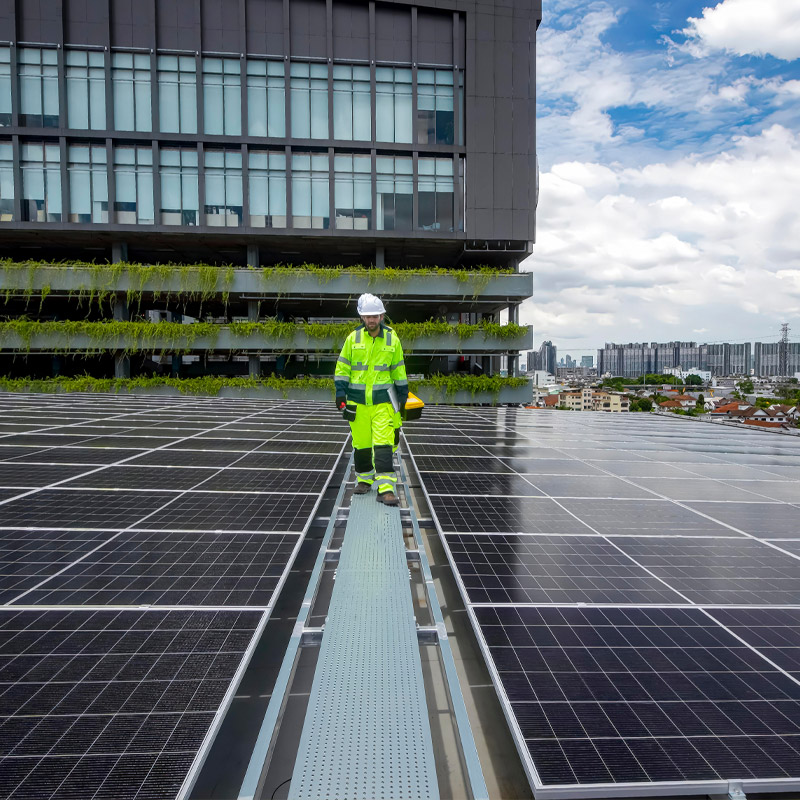
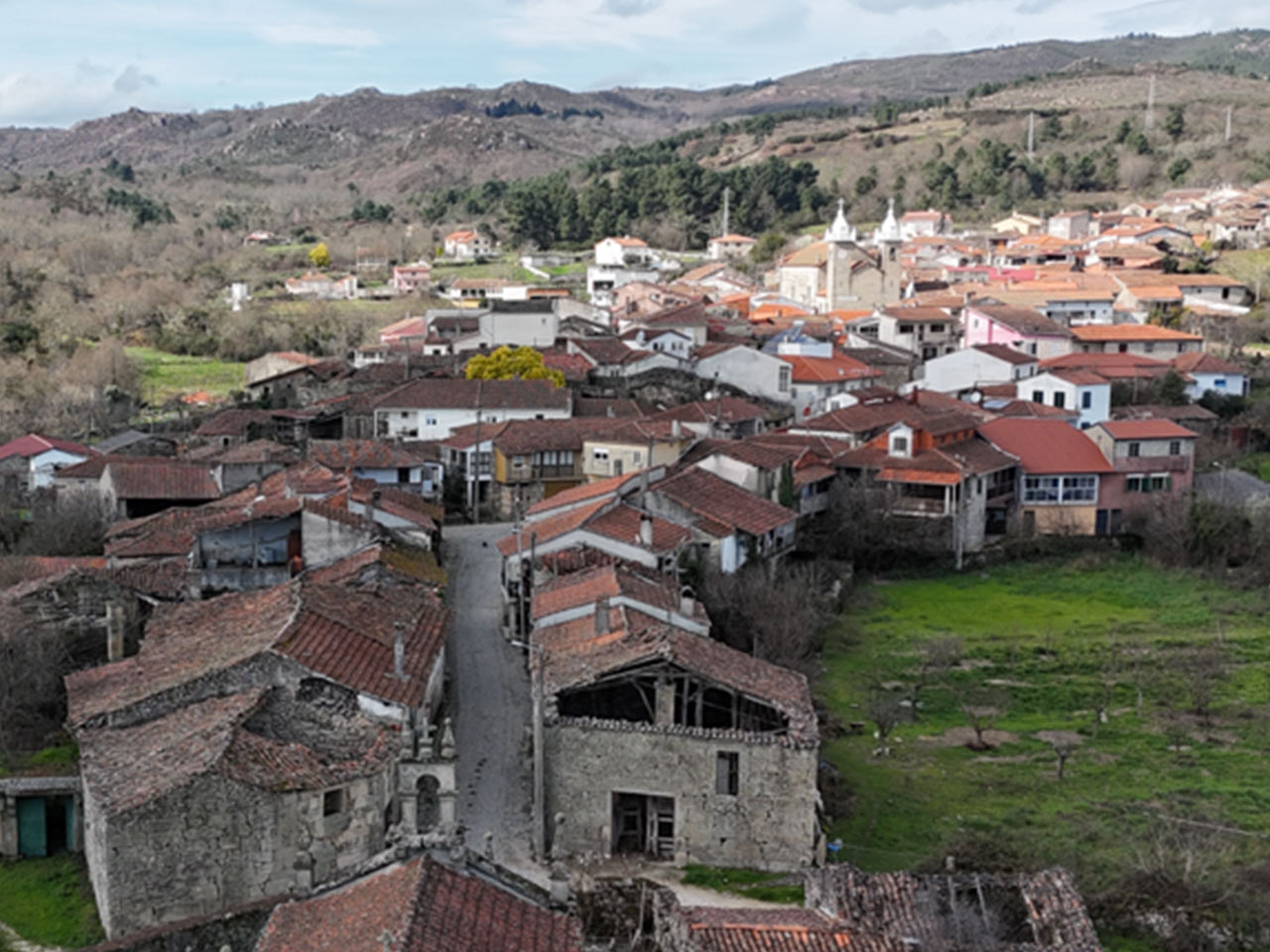
  • Photo of location or PV feature (placeholder images used here until I have the pilots images updated on Google Drive).
  • DEMO name and focus.
  • Location.
  • Challenge & Goals.
  • KPIs with icons for quick readability.

Visual Style:

  • Clean, scientific, and appealing with green/blue accents for sustainability.
  • Hover effect for more details (in final web design).
PROJECT OBJECTIVES

What INNO-TREC Will Build

01

Develop an open-source reference architecture for secure data exchange between community members and systems.

02

Create AI-driven decision support tools to optimise energy flows and management within RECs.

03

Design simulation and modelling tools for PV systems, enabling accurate energy flow forecasting.

04

Build a blockchain-based energy credits platform for transparent peer-to-peer transactions.

05

Foster community engagement, social innovation, and energy literacy across all pilot sites.

06

Validate flexibility mechanisms and economic models that ensure profitable, sustainable RECs.